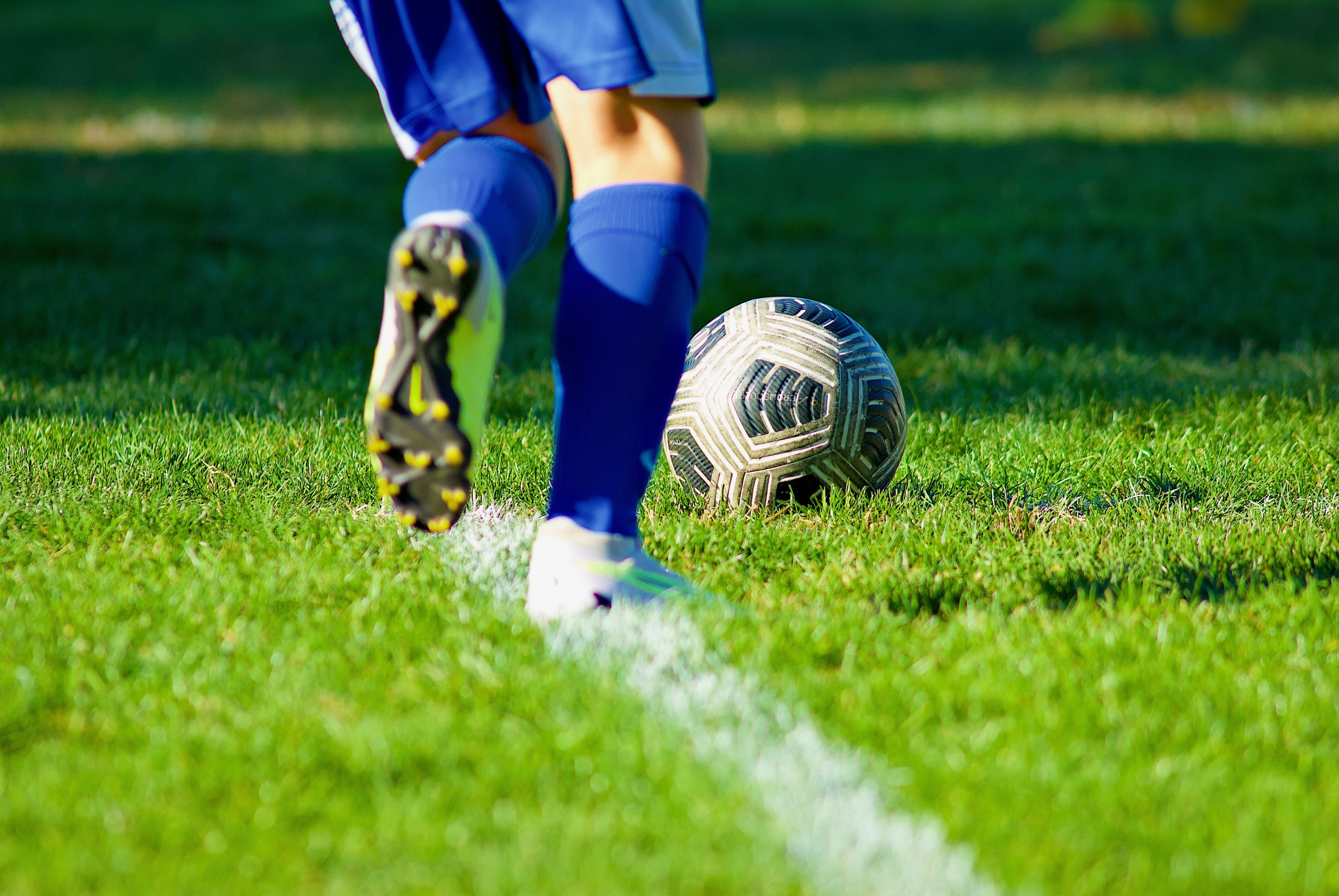
In Central New York, sports seasons don’t end so much as they stack. Football and soccer run deep into November, hockey and wrestling start before the first lake-effect band rolls in, and by December the local slopes are, hopefully, open. That overlap is exactly when our sports medicine team sees winter sports injuries climb. The good news is that most of them follow patterns you can interrupt.
Why Injuries Rise When the Seasons Change
Cold weather changes how your body handles stress. Muscles, tendons and ligaments are less pliable when they’re cold, so they absorb force less efficiently and are more likely to strain or tear. At the same time, fields firm up, ice and packed snow add hard and unpredictable surfaces, and shorter days push practices into dim light when reaction time suffers.
There’s also a scheduling problem. Many athletes go straight from a quiet summer, or from one sport to the next, into full-intensity training. That sudden jump in volume is behind a large share of the injuries we treat this time of year.
The Four Ways Fall and Winter Sports Injuries Happen
Rather than thinking sport by sport, it helps to think about how an injury happens. Many injuries we see in fall and winter fit one of four mechanisms. Once you know the mechanism, prevention becomes much more targeted.
Plant, Pivot and Twist
When a foot stays planted while the body changes direction, the knee and ankle absorb the twisting force. Soccer, football and basketball players face this risk every time they cut or land from a jump, and female athletes in these sports have a notably higher risk of knee ligament injury. Skiers are vulnerable too, since a ski that catches can rotate the leg while the binding stays locked.
- ACL Tear: A tear of the ligament that stabilizes the knee during cutting and pivoting. It is often felt as a pop followed by rapid swelling and a knee that gives way.
- MCL Tear: An injury to the ligament on the inner side of the knee, common when the knee is pushed inward during a tackle or a fall on skis.
- Meniscus Tear: Damage to the cartilage cushion between the thigh and shin bones, usually from twisting on a bent knee.
- High Ankle Sprain: An injury to the ligaments that connect the two lower leg bones. It is common in football when the foot is planted and the leg rolls outward, and it often takes longer to heal than a typical ankle sprain.
Collision and Contact
Football, hockey and wrestling put athletes into direct contact with each other, the boards or the mat. These are among the most common football injuries and hockey injuries we see.
- Concussion: A brain injury caused by a direct blow or a sudden jolt, which can occur without any loss of consciousness.
- Shoulder Dislocation: The ball of the upper arm is forced out of the socket, often during a tackle, takedown or check.
- AC Joint Separation: The collarbone separates from the shoulder blade after a hard landing on the point of the shoulder.
- Groin and Hip Strains: Overstretched or torn muscles from the powerful, repetitive skating stride, especially common in hockey.
Falls on Snow and Ice
When people fall, they instinctively reach out to catch themselves. That reflex, known as a fall on an outstretched hand, drives a large share of winter injuries among snowboarders, ice skaters and sledders.
- Wrist Fracture: A break in one or both forearm bones near the wrist, the most common injury from a fall on the hand.
- Scaphoid Fracture: A break in a small bone at the base of the thumb. It can be missed on a first X-ray and is slow to heal if untreated.
- Elbow and Tailbone Injuries: Bruises and fractures from backward falls, especially common on the ice rink.
Too Much, Too Soon
Not every injury comes from a single moment. Cross country runners, indoor track athletes and anyone ramping up for a new season can develop overuse injuries when training increases faster than bone and soft tissue can adapt.
- Shin Splints: Pain along the inner edge of the shinbone from repetitive stress, often after a sudden increase in mileage.
- Stress Fractures: Tiny cracks in bone, most often in the shin or foot. The pain starts earlier in each workout and may linger at rest.
Skiing vs. Snowboarding Injuries
Skiing and snowboarding look similar from the chairlift, but the equipment shapes how people get hurt. Skiers can twist each leg independently, so knee ligament injuries are the most common skiing injuries. Skiers also tear the ligament at the base of the thumb when they fall holding a pole, an injury called skier’s thumb.
Snowboarders have both feet locked to one board, so they tend to fall forward or backward onto their hands. That makes wrist fractures and shoulder injuries the most common snowboarding injuries, particularly in a rider’s first few days. Snowboarders can also fracture a small bone on the outside of the ankle, known as snowboarder’s ankle, which is easy to mistake for a simple sprain.
How to Prevent Sports Injuries This Fall and Winter
Knowing how to prevent sports injuries starts with matching your prevention to the mechanism. The best tips for winter sports safety come down to five habits.
Build a Base Before the Season
Give your body four to six weeks of gradual conditioning before tryouts or your first ski weekend. Strength work for the hips, core and legs helps protect the knees, and a slow increase in running gives bones time to adapt. Many coaches follow a simple rule of thumb: don’t increase weekly training volume by more than about 10 percent at a time.
Make ACL Prevention Exercises Part of Practice
Research consistently shows that structured warm-up programs focused on landing, cutting and balance can significantly reduce ACL injuries. The key is landing softly with bent knees that track over the toes instead of collapsing inward. Our physical therapy team can build a sport-specific program for individual athletes.
Warm Up Longer in the Cold
Cold muscles need more time to get ready. Plan for 10 to 15 minutes of dynamic movement before practice or your first run, such as leg swings, walking lunges, skips and easy laps. Save static stretching for afterward, and dress in layers so your muscles stay warm between drills and chairlift rides.
Check and Fit Your Gear
Equipment is one of the simplest ways to avoid injuries while skiing, snowboarding and skating.
- Have ski bindings adjusted by a certified shop technician each season based on your weight, height, ability and boots.
- Wear wrist guards when snowboarding, especially as a beginner.
- Wear a helmet on the slopes, the rink and the sled hill. Helmets reduce the risk of serious head injury, though no helmet prevents every concussion.
- Let go of your poles when you fall to protect your thumb.
- Make sure skates, pads and mouthguards still fit, especially for growing kids.
Respect Fatigue and Head Injuries
Fatigue wears down technique, and many injuries happen late in practice or on the “one last run.” Stop when your legs feel heavy or your form starts to slip. For any suspected head injury, the rule is simple: when in doubt, sit out. New York State requires student athletes suspected of a concussion to be removed from play and cleared by a physician before they return.
When to See a Sports Medicine Specialist
Some injuries need more than rest and ice. Have your injury evaluated by a specialist if you notice:
- A pop in the knee followed by swelling, or a knee that gives way
- Inability to bear weight or walk more than a few steps
- Visible deformity, numbness or tingling
- Pain at the base of the thumb after a fall, even if an X-ray looked normal
- Pain that worsens over a week or two instead of improving
For new injuries, SOS PLUS walk-in orthopedic care lets you see an orthopedic provider without an appointment or a long wait in the emergency room.
Stay in the Game This Season
Fall and winter should be about the sports you love, not time on the sidelines. As the largest orthopedic team in Central New York, we care for athletes of every age and level, from first-time snowboarders to varsity starters. We offer an accurate diagnosis and a clear plan to return safely. Request an appointment with our team today.